Maximise Sales with Automated Abandoned Cart Recovery Workflows
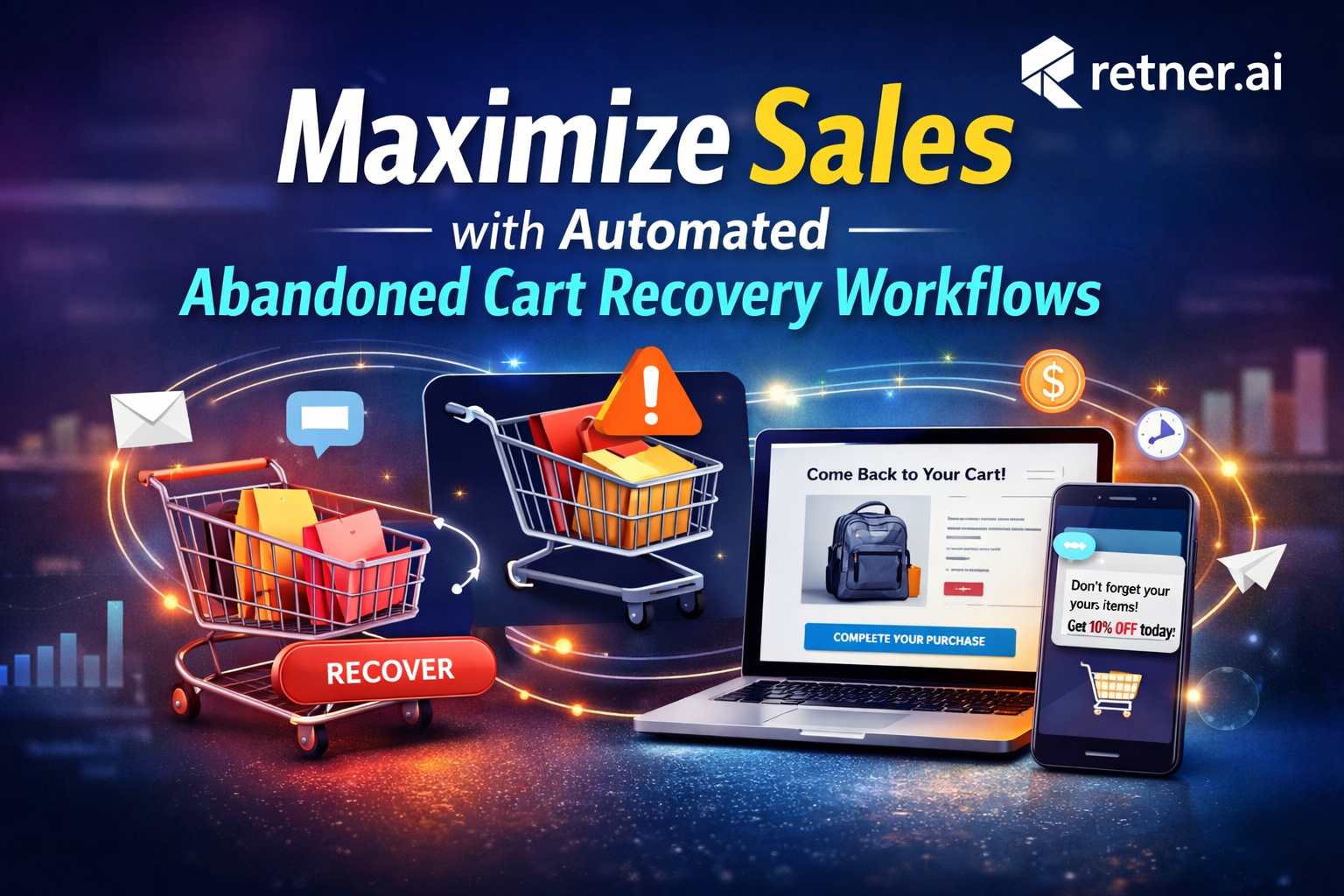
In the world of D2C ecommerce, abandoned carts are one of the biggest revenue leaks — with the average cart abandonment rate hovering around 70% globally. That means nearly 7 out of every 10 shoppers drop off before completing checkout. Thankfully, with the right automated abandoned cart recovery workflows, D2C brands can reclaim lost revenue, boost conversion rates, and significantly grow their bottom line.
Let’s explore how automation can turn abandoned carts into revenue opportunities.
What Is Abandoned Cart Recovery?
Abandoned cart recovery refers to the strategies and systems that re‑engage shoppers who left items in their cart without finalising a purchase. It often involves automated messages via email, SMS, push notifications, or even conversational channels — sent after a shopper exits the checkout process.
High‑performing abandoned cart flows consistently deliver some of the highest returns in ecommerce marketing because they target customers who have already shown strong purchase intent.
Why Automation Is Essential for D2C Brands
Manual follow‑ups are time‑consuming and inefficient. Automated workflows allow you to:
- Trigger timely messages when shoppers abandon carts
- Personalize outreach at scale based on customer behaviour
- Integrate multiple channels (email, SMS, WhatsApp, push)
- Recover revenue without manual effort
Automation turns abandoned cart recovery from a reactive tactic into a proactive revenue engine.
How Automated Workflows Recover Sales
1. Capture Intent Immediately
Once a shopper adds items to the cart and starts checkout, automation captures their email, phone number, or identifier — essential for re‑engagement. Prompt follow‑ups give brands a powerful opportunity to reconnect before a customer forgets about their cart or orders elsewhere.
2. Send Personalised Follow‑Up Messages
Personalization boosts relevance and conversion rates. Automation platforms dynamically insert:
- Shopper’s name
- Images of abandoned items
- Direct checkout links
into recovery emails and messages — reminding users of exactly what they left behind in a compelling, relevant way.
3. Sequence Multiple Messages Automatically
Smart workflows send a series of reminders — not just one. For example:
- 30 minutes after abandonment: Gentle reminder
- 12–24 hours later: Follow‑up with incentive
- 48–72 hours later: Final offer or urgency message
Research shows that sending multiple reminders significantly increases recovery chances, especially when spaced strategically.
Top Elements of High‑Converting Cart Recovery Workflows
⚡ Immediate Triggering
Automated systems can detect abandonment in real time and send the first message within 30 minutes — when purchase intent is still fresh.
🎯 Dynamic Personalisation
Generic messages perform poorly. By showing exactly what shoppers left behind — including images and pricing — you trigger stronger emotional recall and encourage completion.
📱 Multi‑Channel Outreach
While emails are essential, SMS and WhatsApp outreach deliver exceptional open and click rates. SMS campaigns often see conversion rates far higher than email when properly automated.
Many brands are now experimenting with AI‑generated video or conversational messages, especially on platforms like WhatsApp, to re‑engage users in more interactive ways.
🎁 Incentives & Urgency
Adding small offers — like discounts, free shipping, or limited‑time deals — in follow‑ups often nudges hesitant buyers over the finish line.
Best Practices to Improve Your Automated Workflow
Optimize Timing
The first message should go out quickly — within an hour of abandonment — while interest is still high. Follow‑ups should be spaced over several days to retain relevance without overwhelming the customer.
Segment Your Audience
Tailor workflows for different segments — like first‑time shoppers, high‑intent visitors, and repeat buyers — to increase engagement and conversion rates.
Test & Refine Messaging
Split‑testing subject lines, incentives, and channel combinations helps identify what resonates best with your audience.
Reduce Friction at Checkout
While recovery workflows help recapture lost sales, preventing abandonment in the first place is key — simplify checkout, show trust badges, and optimize mobile experiences to reduce drop‑offs.
Integration with Your D2C Strategy
At retner.ai, you can integrate automated abandoned cart workflows to do more than just send reminders. Smart automations help you:
- Collect signals for predictive customer segmentation
- Use behavioural data to tailor automated flows
- Re‑engage users across email, SMS, and in‑app messaging
To explore how these automated workflows can recover more lost sales, check out retner.ai/abandoned-cart-recovery—your ultimate solution for maximising e-commerce revenue.
Conclusion
Abandoned carts represent massive potential revenue for D2C brands—and automation is the key to unlocking it. By setting up data‑driven, personalised workflows that reach customers quickly and relevantly across channels, you can:
- Boost conversions
- Increase lifetime customer value
- Streamline your marketing efforts
Automation doesn’t just recover carts—it builds stronger customer relationships and drives sustainable revenue growth.
8x Return On WhatsApp Ads Spend.
Book a demo and we will get you started on proven WhatsApp marketing strategies